Building the Outstanding Custom Produce Boxes: A Methodical Tutorial
Developing specialized fruit and vegetable boxes requires a strategic strategy. Specialists must evaluate sustainability, functionality, and visual appeal. Choosing the suitable components is crucial for maintaining freshness and advancing environmentally conscious practices. Moreover, size and configuration can significantly influence usability and transport efficiency. Compelling visual elements enhance company identity, while thorough assessment guarantees durability. Understanding these elements will uncover key knowledge into producing standout packaging approaches that resonate to customers. What comes next is essential to accomplishing those goals.
Determining the Best Options for Custom Produce Boxes
When choosing materials for custom produce boxes, it is vital to evaluate both functionality and sustainability. The choice of material greatly impacts the box's longevity, weight, and capacity to protect the contents. Common materials consist of corrugated cardboard, which offers strength and is reusable, making it a preferred choice for environmentally aware businesses. Biodegradable options, such as molded pulp or plant-based plastics, also comply with sustainable practices while providing adequate protection for delicate produce.
Moreover, dampness protection is necessary for keeping quality consistent, driving some vendors to assess treated materials or specialized coatings. The visual charm of the box deserves consideration, since brand positioning and graphical elements can shape consumer perception. Ultimately, the appropriate material should balance between maintaining product integrity, engaging consumers, and adhering to environmental standards, confirming that performance and sustainable practices are emphasized within the development procedure.
How to Select Size and Shape for Functionality?
When determining the form and dimensions of custom produce boxes, thorough evaluation of produce measurements is crucial for proper storage. Additionally, attention to handling and transport can impact the box structure, guaranteeing ease of movement. Optimizing storage space utilization further improves functionality, enabling effective presentation and organization.
Review Produce Dimensions With Care
Determining the proper size and shape for produce boxes is important for smooth operations and productivity. Thorough assessment of produce dimensions is essential, as it makes sure that items fit firmly without extra room that might create damage during warehousing and delivery. Made-to-order containers need to handle various configurations, from tender fruits to large vegetables, while keeping robustness. Additionally, the height and width of the boxes should allow for efficient stacking and inventory control, making the best use of space in warehouse spaces. A quality-built box not only preserves the produce but also boosts market presentation for end customers. Ultimately, deliberate consideration of dimensions aids in minimizing waste and improving customer journey in the logistics network.
Assess the Aspects of Handling and Transport
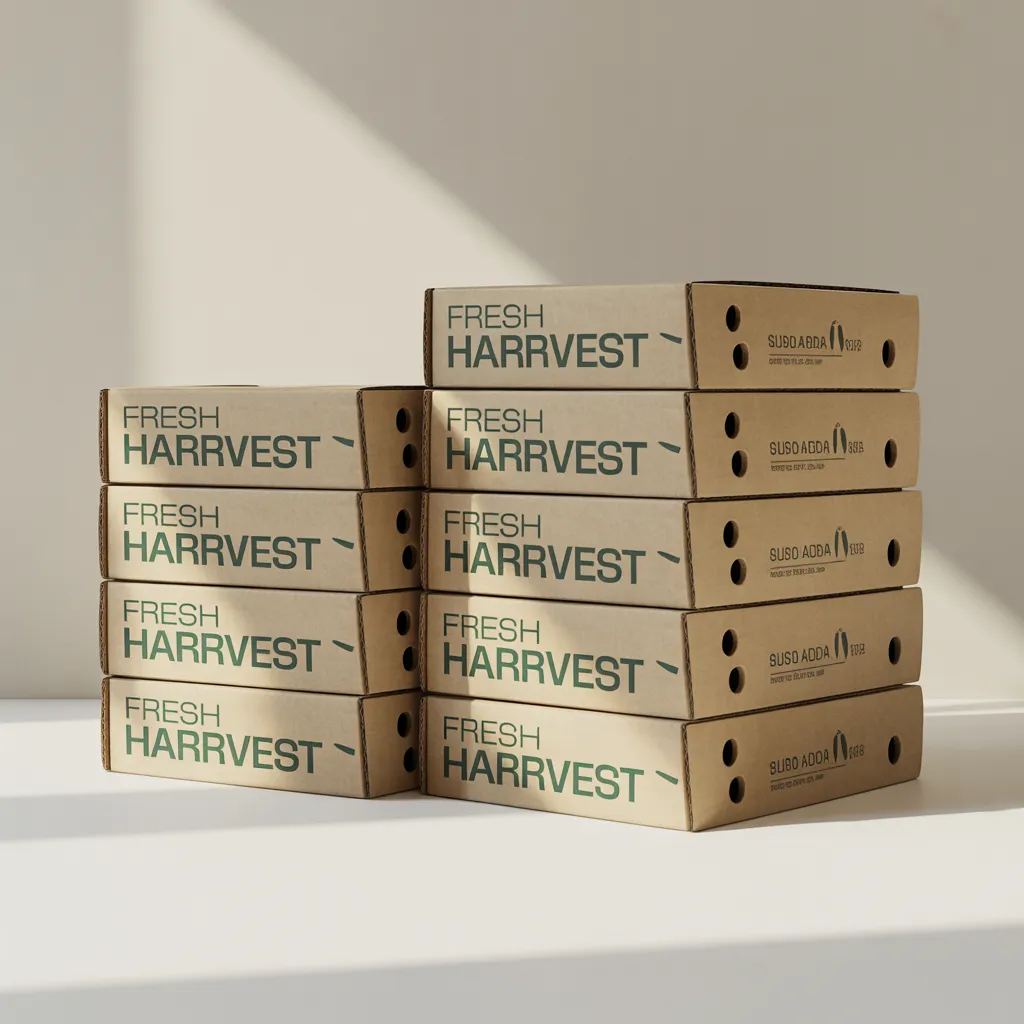
Shipping and handling factors play a significant role in deciding the appropriate size and form of specialized agricultural boxes. The complete guide measurements must hold the goods without excessive space, which could lead to movement and damage during transport. Compact boxes facilitate easier management, while larger boxes may be necessary for bulkier items. Furthermore, ergonomic design is vital; grips or access points should be strategically positioned to allow for comfortable raising and carrying. The shape of the box also impacts stacking and balance, making sure that products stay secure. In the end, thorough evaluation of such factors boosts the efficiency of transport, minimizes goods loss, and supports the general integrity of the produce from agricultural setting until end user.
Maximize Display Space Usage
Smart storage space management is based on establishing the proper form and dimensions of purpose-built produce boxes. Developers should factor in the dimensions of the storage shelves as well as the sorts of produce being held. Standard-shaped boxes often solidify space efficiency, allowing for smoother arrangement and stacking. By contrast, irregular designs can heighten visual appeal but may result in wasted space if not thoroughly considered.
It's vital to review the inventory turnover rate; fast-selling items might leverage compact, readily accessible boxes. In addition, applying flexible or customizable designs can facilitate various dimensions of merchandise while refining display organization. By focusing on functionality and aesthetic value, organizations can establish a functional and attractive display that strengthens both ease of access and product prominence.
How to Craft Graphics That Hold Engagement?
Engaging visuals can convert a basic custom produce box into a stunning display that captures interest. To achieve this, creatives should begin by choosing a color scheme that reflects the vitality and vibrancy of the produce. Bright, striking colors can evoke sensations of freshness and health, compelling consumers to take a closer look.
Bold typography is also essential; readable typefaces can adeptly convey essential information while amplifying design value. Furthermore, using high-quality images of the produce can establish instant connection, revealing the product's quality and enticing potential buyers.
In addition, incorporating unique patterns or illustrations can assist in distinguishing the brand in a saturated market. Uniformity in design elements, such as logos and taglines, reinforces brand identity. Ultimately, a blend of creativity and clarity in visual design can greatly elevate the impact of custom produce boxes, helping them become distinctive on shelves.
Environmentally Responsible Practices for Custom Produce Box Packaging
A surging count of firms are adopting eco-friendly practices for custom produce box packaging, appreciating its importance in today's environmentally conscious market. These protocols often include the use of biodegradable materials, such as recycled paper and plant-based plastics, which curtail environmental impact. Companies are also focusing on sustainable sourcing, verifying that materials are obtained from responsibly managed forests or suppliers who copyright environmental stewardship.
In turn, numerous brands are going with minimalistic formats that minimize waste while still effectively promoting their products. This approach not only resonates with environmentally aware consumers but also assists with lowering production costs. Moreover, businesses are increasingly adopting effective manufacturing processes that limit energy consumption and waste generation. By incorporating these eco-friendly practices, companies not only improve their brand image but also contribute positively to the planet, aligning their operations with a sustainable future.
Testing Your Personalized Produce Box Layout
Assessing the structure of custom produce boxes is a important stage in confirming they meet both visual and operational specifications. This method generally involves examining aspects like durability, scale, and ease of use. First, prototypes need to be created to test the box's structural integrity, confirming it is able to endure transportation and storage without harming the items.
Subsequently, usability evaluations can be implemented to determine how conveniently the boxes can be opened, shut, and stacked. Remarks from end users can be vital in this stage, imparting insights into the box's practical value.
Moreover, the visual attractiveness of the design should be tested through focus groups or surveys, gauging customer feedback to brand identity elements, hues, and complete visual presentation.
In the end, thorough evaluation permits designers to enhance the box, ensuring it not only attracts customers but also adequately safeguards and displays the produce within, striking the right equilibrium between form and function.
Promoting Your Custom Produce Boxes Effectively
Impactful marketing of custom produce boxes requires a strategic approach that highlights their distinctive advantages and value. Companies must concentrate on identifying their target audience, whether they are local farms, grocery stores, or individual consumers. Capitalizing on social networking sites can enhance market visibility, showcasing the boxes' design and practicality through engaging visuals and storytelling.
Furthermore, working alongside local influencers or farmers can boost credibility and extend market presence. Presenting offers or price reductions during high-demand periods can pull in initial clients and foster customer loyalty.
Moreover, stressing environmental consciousness and green initiatives in advertising content can connect with environmentally conscious consumers. Delivering detailed information about the composition of materials and the benefits of personalized packaging options can help differentiate the item in an increasingly competitive landscape.
In the end, a detailed promotional strategy that combines online and community-based programs will efficiently advance custom produce boxes, attracting a diverse clientele and driving sales.
Frequently Posed Questions
What Charges Accompany Custom Produce Box Planning?
Costs associated with custom produce box design include raw materials, print work, workforce expenses, and delivery. Additionally, design work and production minimums can influence overall expenses, leading to different prices based on specific requirements and manufacturing volume.
What Period Is Involved to Generate Made-to-order Boxes?
Crafting customized boxes normally takes two to six weeks. Factors that influence this timeline include design complexity, materials sourcing, and manufacturing capacity, each of which might impact delivery schedules and lead times.
Is it Feasible to Buy a Modest Volume of Custom Produce Boxes?
Yes, modest quantities of personalized fruit and vegetable boxes can usually be requested. Many suppliers offer minimum order quantities, allowing businesses or individuals to obtain tailored packaging options without needing to pledge to large volumes initially.
What Frequent Pitfalls Should You Steer Clear Of When Creating Custom Boxes?
Typical mistakes in custom box layout involve neglecting functionality, ignoring brand consistency, underestimating material quality, not considering target audience preferences, and disregarding environmental impact. Each aspect is essential for effective packaging and customer satisfaction.
What Steps Should I Take to Ensure My Boxes Are Food-Compliant?
To verify boxes are suitable for food, one needs to opt for materials qualified for food contact, avoid harmful inks and adhesives, maintain cleanliness during production, and periodically assess for compliance with health regulations and safety standards.